MCAT-TEST Exam Details
-
Exam Code
:MCAT-TEST -
Exam Name
:Medical College Admission Test: Verbal Reasoning, Biological Sciences, Physical Sciences, Writing Sample -
Certification
:Medical Tests Certifications -
Vendor
:Medical Tests -
Total Questions
:812 Q&As -
Last Updated
:Jul 08, 2026
Medical Tests MCAT-TEST Online Questions & Answers
-
Question 781:
Glycogen storage disease type V, also known as GSD-V or McArdle disease, is an autosomal recessive disease that results in the deficiency of myophosphorylase, an isoform of glycogen phosphorylase found in muscle cells. Patients with GSD-V experience severe muscle cramps after strenuous exercise and exercise intolerance.
Physicians may order two histology stains of the patient's muscle tissue in order to aid in the diagnosis (see Figure 1):
(A) A Periodic acid-Schiff (PAS) stain uses periodic acid to detect carbohydrates in tissues. The reaction of the acid with sugar cleaves vicinal diols creating ketone and/or aldehyde fragments, the latter of which then reacts with the Schiff reagent to give a purple color;
(B) A phosphorylase stain identifies the presence of the enzyme using a dark blue color indicator.

Figure 1A. Comparative histochemistry of GSD-V and healthy individual.
PAS stain of muscle tissue shows an accumulation of glycogen in the GSD-V individual (top) compared to the control (bottom). B) Phosphorylase stain of muscle tissue reveals an absence of phosphorylase in the GSD-V individual (top).
Despite initial pain during exercise, many patients with GSD-V have been able to increase their exercise tolerance by engaging in moderate periods of aerobic exercise. Muscle pain and fatigue subsides after a few minutes, a response that
researchers call the "second wind" phenomenon.
Patients who experienced "second wind" typically experienced lowered heart rate and a reported decrease in exercise effort after 7-10 minutes. A similar effect was seen in the same patients after an intravenous infusion of glucose.

Figure 2. Measured heart rates in two GSD-V patients during sustained exercise.
Two subjects were asked to ride stationary bicycles at a steady rate over the course of 40 minutes. The subjects' heart rates were measured continuously, with high and low values coinciding with 7-minute intervals. Glucose was injected
intravenously after 21 minutes. SW = Second Wind.
Adapted from Bhavaraju-Sanka R, Howard J. Jr, Chahin N (2014). SOJ Neurol 1(1), 1-3. and Haller RG, Vissing J. Arch Neurol. 2002;59(9):1395-1402.
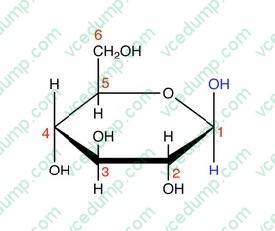
Considering the information provided and your knowledge of glucose and fructose, which of the following is MOST likely to be accurate regarding the reaction with periodic acid?
A. The reaction would break the cyclic structures of glucose and fructose, with glucose having an additional fragment per molecule.
B. The reaction would break the cyclic structures of glucose and fructose, each into equal fragments.
C. The reaction would break the cyclic structure of glucose but not fructose.
D. The reaction would neither break the cyclic structure of glucose nor fructose. -
Question 782:
In a fit of passion, the spectator of a political debate exclaims that "welfare recipients are all lazy." The spectator's thought process is an example of:
A. prejudice.
B. discrimination.
C. ethnocentrism.
D. conflict theory. -
Question 783:
The time has come to acknowledge the ascendancy of the humanistic psychology movement. The so- called "Third Stream" emerged at mid-century, asserting itself against the opposition of a pair of mighty, long-established currents, psychoanalysis and behaviorism. The hostility between these two older schools, as well as divisiveness within each of them, probably helped enable humanistic psychology to survive its early years. But the movement flourished because of its wealth of insights into the nature of this most inexact science.
Of the three major movements in the course of 20th century psychology, psychoanalysis is the oldest and most introspective. Conceived by Sigmund Freud as a means of treating mental and emotional disorders, psychoanalysis is based on the theory that people experience unresolved emotional conflicts in infancy and early childhood. Years later, although these experiences have largely disappeared from conscious awareness, they may continue to impair a person's ability to function in daily life. The patient experiences improvement when the psychoanalyst eventually unlocks these long-repressed memories of conflict and brings them to the patient's conscious awareness.
In the heyday of behaviorism, which occurred between the two world wars, the psychoanalytic movement was heavily criticized for being too concerned with inner subjective experience. Behavioral psychologists, dismissing ideas and feelings as unscientific, tried to deal only with observable and quantifiable facts. They perceived the human being merely as an organism which generated responses to stimuli produced by its body and the environment around it. Patients' neuroses no longer needed analysis; they could instead by modified by behavioral conditioning. Not even babies were safe: B.F. Skinner devised a container in which infants could be raised under "ideal" conditions -- if a sound-proof box can be considered the ideal environment for child-rearing.
By mid-century, a number of psychologists had grown dissatisfied with both the deterministic Freudian perspective and the mechanistic approach of behaviorism. They questioned the idea that human personality becomes permanently fixed in the first few years of life. They wondered if the purpose of psychology was really to reduce people to laboratory specimens. Was it not instead possible that human beings are greater than the sum of their parts? That psychology should speak to their search for fulfillment and meaning in life?
It is questions like these that members of the Third Stream have sought to address. While the movement cannot be simplified down to a single theoretical position, it does spring from certain fundamental propositions. Humanistic psychologists believe that conscious experience, rather than outward behavior, is the proper subject of psychology. We recognize that each human being is unique, capable of change and personal growth. We see maturity as a process dependent on the establishment of a set of values and the development of self. And we believe that the more aspects of self which are satisfactorily developed, the more positive the individual's self-image.
Abraham Maslow, a pioneer of the Third Stream, articulated a hierarchy of basic human needs, starting with food, water and air, progressing upward through shelter and security, social acceptance and belonging, to love, esteem and self-expression. Progress toward the higher stages cannot occur until all of the more basic needs have been satisfied. Individuals atop the pyramid, having developed their potential to the highest possible extent, are said to be "self-actualized".
If this humanist theoretical perspective is aimed at empowering the individual, so too are the movement's efforts in the practical realm of clinical psychology. Believing that traditional psychotherapists tend to lead patients toward predetermined resolutions of their problems, Carl Rogers pressed for objective evaluations of both the process and outcome of psychotherapeutic treatment. Not content to function simply as a reformer, Rogers also pioneered the development of "client-centered" or nondirective therapy, which emphasizes the autonomy of the client (i.e., patient). In client-centered therapy, clients choose the subjects for discussion, and are encouraged to create their own solutions to their problems.
The author states that "not even babies were safe" (line 35) most probably in order to:
A. emphasize that the use of even very young subjects is considered valid among most psychologists.
B. indicate the pervasive influence of behaviorists on the field of psychology.
C. show that behaviorists were anxious to apply their theories to a wide range of subjects.
D. warn of the dangers of psychoanalysis for children. -
Question 784:
The rich analyses of Fernand Braudel and his fellow Annales historians have made significant contributions to historical theory and research. In a departure from traditional historical approaches, the Annales historians, assume (as do Marxists) that history cannot be limited to a simple recounting of conscious human actions, but must be understood in the context of forces and material conditions that underlie human behavior. Braudel was the first Annales historian to gain widespread support of the idea that history should synthesize data from various social sciences, especially economics, in order to provide a broader view of human societies over time (although Febvre and Bloch, founders of the Annales school, had originated this approach). Braudel conceived of history as the dynamic interaction of three temporalities. The first of these, the evenementielle, involved short-lived dramatic "events," such as battles, revolutions and the actions of great men, which had preoccupied traditional historians like Carlyle. Conjonctures was Braudel's term for larger cyclical processes that might last up to half a century. The longue duree, a historical wave of great length, was for Braudel the most fascinating of the three temporalities. Here he focused on those aspects of everyday life that might remain relatively unchanged for centuries. What people ate, what they wore, their means and routes of travel -- for Braudel these things create "structures" which define the limits of potential social change for hundreds of years at a time. Braudel's concept of the longue duree extended the perspective of historical space as well as time. Until the Annales school, historians had taken the juridical political unit the nation-state, duchy, or whatever as their starting point. Yet, when such enormous timespans are considered, geographical features may well have more significance for human populations than national borders. In his doctoral thesis, a seminal work on the Mediterranean during the reign of Philip II, Braudel treated the geohistory of the entire region as a "structure" that had exerted myriad influences on human lifeways since the first settlements on the shores of the Mediterranean Sea. And so the reader is given such arcane information as the list of products that came to Spanish shores from North Africa, the seasonal routes followed by Mediterranean sheep and their shepherds, and the cities where the best ship timber could be bought. Braudel has been faulted for the imprecision of his approach. With his Rabelaisian delight in concrete detail, Braudel vastly extended the realm of relevant phenomena; but this very achievement made it difficult to delimit the boundaries of observation, a task necessary to beginning any social investigation. Further, Braudel and other Annales historians minimize the differences among the social sciences. Nevertheless, the many similarly-designed studies aimed at both professional and popular audiences indicate that Braudel asked significant questions which traditional historians had overlooked.
Some historians are critical of Braudel's perspective for which of the following reasons?
A. It seeks structures that underlie all forms of social activity.
B. It assumes a greater similarity among the social sciences than actually exists.
C. It fails to consider the relationship between short-term events and long-term social activity.
D. It rigidly defines boundaries for social analysis. -
Question 785:
The Earth's atmosphere reaches hundreds of kilometers above the surface of the planet. The lowest layer, the troposphere, extends from the ground to a height of approximately 12 km. Air pressure within the troposphere decreases with height above the ground, accompanied by a parallel trend in air density. The decrease in density has important consequences for the dissipation of air pollution from industrial smoke stacks. The gas from the stack is typically hotter and less dense than the surrounding air and rises. As a parcel of hot air rises, it expands approximately adiabatically doing work on the surrounding air. This results in a decrease in both its temperature and its density.
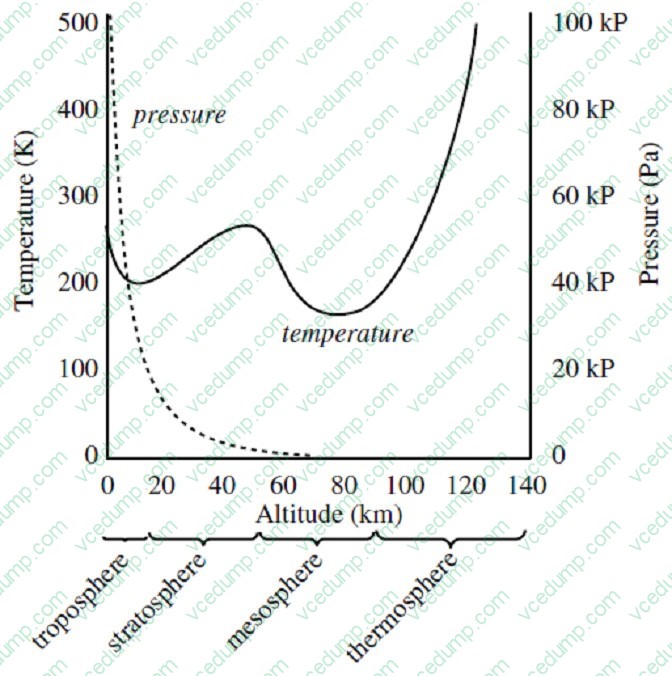
Figure 1 A smoke stack functions to expel gaseous waste products from a chemical process. It is also an important means of removing heat from a reaction mixture. The heat corresponding to a change in temperature of a gas at constant pressure is

given by , where is the heat added to the gas, n is the number of moles of gas, is the molar heat capacity of a particular gas at constant pressure, and T is the change in temperature. At atmospheric pressure, the

molar heat capacity for steam, O (g) is approximately four times that of air.
A combustion engine in a production plant is surrounded by pipes carrying water that function to cool the engine. The water is converted to steam and flows through a long vertical pipe to be released into the atmosphere. Heat is transferred from the engine to the atmosphere by the following means:
A. convection then conduction
B. radiation then convection then conduction
C. conduction then convection then conduction -
Question 786:
Hypoxia refers to a physiological condition in which the body lacks sufficient oxygen for normal cellular functioning. Prolonged hypoxia generally leads to an inhibition of mental capacity and a reduction in the work capacity of muscle. Severe cases of hypoxia can lead to coma or even death. Depending on the cause, hypoxia can be classified into four general types:
Hypoxic hypoxia is a type of hypoxia that occurs when the partial pressure of oxygen in the blood is too low. For example, climbers at high altitude, where the air contains less oxygen, might experience hypoxic hypoxia because the partial pressure of oxygen in the air inhaled is very low, leading to insufficient partial pressure of oxygen in the blood.
Anemic hypoxia describes a diminished ability of the blood to transport oxygen. Several factors can influence the oxygen-carrying capacity of the blood. Primary causes of anemic hypoxia include a lower than normal number of functional erythrocytes or an insufficient quantity of hemoglobin, the oxygen- carrying molecules of the blood. Abnormal hemoglobin can also decrease the blood's capacity to carry oxygen and lead to anemic hypoxia.
Ischemic hypoxia is caused by a decreased delivery of blood to the tissues. Localized circulatory deficiencies, such as blood clots, and global circulatory deficiencies, such as heart failure, decrease the delivery of blood to the tissues, and can therefore cause ischemic hypoxia.
Histotoxic hypoxia results from the inability of cells to utilize the oxygen available in the blood. Causes of histotoxic hypoxia include the poisoning of cellular enzymes involved in aerobic respiration, as well as the decreased metabolic capacity of the oxidative enzymes due to vitamin deficiency. Cyanide poisoning causes histotoxic hypoxia by blocking the action of cytochrome oxidase in the electron transport chain so that tissues cannot use oxygen even though it is available.
Carbon monoxide binds to hemoglobin as shown in the dissociation curve below. The dissociation curve for oxygen is also shown. These dissociation curves indicate that:
A. carbon monoxide binds to hemoglobin with the same affinity as does oxygen.
B. carbon monoxide saturates hemoglobin at much lower partial pressures than does oxygen.
C. oxygen will saturate hemoglobin more rapidly than will an equal partial pressure of carbon monoxide.
D. carbon monoxide forms covalent bonds to hemoglobin while oxygen is held by non-covalent interactions. -
Question 787:
Which part of the endocrine system secretes adrenaline?
A. adrenal medulla
B. parathyroid
C. anterior pituitary
D. adrenal cortex -
Question 788:
A researcher in a molecular biology lab planned to carry out an extraction procedure known as an alkaline plasmid prep, which is designed to purify plasmids, small pieces of the hereditary material DNA, from bacterial cells. The bacteria are first placed into a test tube containing liquid nutrient medium and allowed to grow until they reach a high population density. The culture, which consists of solid cells suspended in the medium, is then centrifuged; a solid pellet is formed. The supernatant is poured out, leaving the pellet behind, and the cells are resuspended in a mL of lysis buffer solution (50 mM glucose, 25 mM Tris buffer and 10 mM ethylenediaminetetraacetic acid (EDTA), with 5 mg of the enzyme lysozyme added). They are then incubated for 30 minutes at 0°C, during which time the bacterial cell walls break down and the cell contents are released into the solution. After incubation, 1 mL of 0.4 N sodium hydroxide and 1 mL of 2% sodium dodecyl sulfate (SDS) are added, and the solution is again incubated on ice for 10 minutes. 2 mL of 3 M sodium acetate are added and the mixture is incubated for 30 minutes at 0°C. The test tube is centrifuged once more and the supernatant is decanted into a clean tube, leaving behind the protein and most other cell components in the pellet. Finally, 10 mL of pure ethanol are added to the supernatant from the previous step to precipitate out the DNA, and the test tube is incubated at –20°C for 60 minutes, during which the mixture remains liquid. The mixture is centrifuged a final time and the supernatant removed. The translucent precipitate that results is washed with 70% ethanol (70% ethanol and 30% water by volume), allowed to dry, and resuspended in 1 mL of TE buffer (10 mM Tris, 1 mM EDTA). In preparation for this experiment, the researcher prepared stock solutions of the various chemicals that she will need in the experiment. Stock solutions are highly concentrated solutions of commonly used chemicals in water from which dilute solutions are prepared for daily use. Table 1 shows the chemicals, their molecular formulas and weights, and the composition of commonly used stock solutions.

What would be the pH of 100 mL of the sodium acetate stock solution after the addition of 3.6 g of HCl? (pKa of acetic acid = 4.74)
A. 1.0
B. 4.74
C. 5.2
D. 6.0 -
Question 789:
As Alice Echols went on to claim, "Nothing seems to conjure up the 1970s quite so effectively as disco. Even at the time, critics remarked upon disco's neat encapsulation of that decade's zeitgeist. `It must be clear by now to everyone with an ear or an eye that this era,' wrote journalist Andrew Kopkind in 1979, `is already the Disco Years, whether it will be called by that name or not.' A former sixties radical, Kopkind was by turns fascinated, bemused, and appalled by the disco epoch, and he likely imagined that in years to come fellow cultural critics would share his interest. But the seventies have not loomed large in our national imagination, except perhaps as comic relief. For many Americans, these were the forgettable years.
That forgettability owes a lot to the 1960s, the outsized decade that dwarfs all others in recent memory. The sixties will always be remembered for their audacity, whether found in the courage of civil rights protesters who put their bodies on the line or in those doomed but beautiful rock stars who tried breaking through to the other side. By contrast, the seventies seem the decade when nothing, or nothing good, happened ?an era memorable for the country's hapless presidents, declining prestige, bad fashions, ludicrous music, and such over-the-top narcissism that Tom Wolfe dubbed it the `Me Decade.' Before the decade was out, this narrative of decline had become routine. `After the poetry of the Beatles comes the monotonous bass-pedal bombardment of Donna Summer,' huffed one New York Times writer in 1979. It is a measure of the era's persistent bad press that a recent book challenging this view carries the pleading title Something Happened.
As for the sixties, it doesn't matter how much silliness went down, we still invest those times with seismic significance. Take Joe Cocker's performance at Woodstock. His spasmodic thrashing about and his vocals, slurred to the point of incomprehensibility, are something of a joke today. Cringe-inducing though it may be, however, Cocker's performance is never made to stand in for the whole of the sixties. The sixties remain enveloped in the gauzy sentimentalism of what might have been. Yet the iconic image of John Travolta as dance-floor king Tony Manero in white polyester suit, arm thrust to the disco heavens, has come to symbolize the narcissistic imbecility and inconsequentiality of the disco years.
Were it not for the Rubaiyat, I, too, might well regard the seventies as a lamentable and regrettable period in American history. The Rubaiyat was, yes, a disco. It was located in the heart of sixtiesland: Ann Arbor, Michigan, the home of the University of Michigan and legendary incubator of radical activism. At the height of the seventies, the town's annual Hash Bash ?a smoke-in to reform marijuana laws ?was still going strong and so were its two food co-ops-one reform, the other orthodox when it came to selling white foods (that is, rice, sugar, and flour of the white variety). Ann Arbor also had bookstores galore, including the original, wonderful Borders Bookstore, and any number of hippie-ish restaurants and bars such as the Fleetwood Diner, the Del Rio, and the Blind Pig. Musically, it prided itself on its vintage music (it hosted one of the earliest blues festivals), but at heart it was a rock town besotted with Iggy Pop and the Stooges and Sonic's Rendezvous, a band fronted by Patti Smith's future husband, Fred Smith. Its leading music store, Schoolkids' Records, stocked disco, but never played it. All of this is to say that disco-averse Ann Arbor came close to providing something of a safe haven from glitterball culture.
The Rubaiyat was no red-velvet-rope disco where fashionista doormen determined who was sufficiently fabulous to gain entry. This would never have worked in a town where down jackets and army surplus were hardly an unusual sight. The club did have some pretensions to classiness, but the mismatched, sagging booths and bordello red defeated occasional efforts at upmarket sophistication. What the Rubaiyat did have were better-than-average speakers, a heterogeneous cliente, and a weekend cover of three dollars."
Echols, A. (2011). Hot stuff: Disco and the Remaking of American Culture. New York: W. W. Norton.
Which of the following possible approaches to studying the music of the 60s would the author be LEAST interested in?
A. A historical study that aims to see the decade as it really was and explore its failures to live up to its idealistic goals.
B. A sociological study that examines fans of 60s rock who did not fit the stereotypes of counterculture members.
C. A musicological study that uses the music of the Beatles to encapsulate what the decade was really about.
D. A memoir exploring how a person from small-town Kansas used the music of the Beatles to experience the counterculture from afar. -
Question 790:
In 1965, Boris Deryagin reported the discovery of an unusual substance formed during the condensation of water vapor in quartz capillaries. The material, called poly-water, appeared to be a polymer of water monomers and differed from normal water in a number of ways. It had a freezing point of ?0?C and solidified into a glass-like solid with substantially less volumetric expansion than that of ordinary water upon freezing. It had a density 40% greater than water and a refractive index of 1.48.
An intricate apparatus was used to produce the poly-water. Ordinary distilled water was placed in a chamber held at 160?C with pressure below atmospheric pressure. This chamber was connected to a second chamber by a tube held at 500?C in order to prevent the passage of liquid water. The second chamber was held at 0?C and contained a drawn quartz capillary in which the water vapor condensed, forming poly-water.

Hypothesis 1
Deryagin proposed that polywater was a polymer of water monomers arranged in a network of hexagonal units. The polymerization was catalyzed by the silicate surface of the quartz capillary.

Proposed Structure of Polywater Hypothesis 2 Another researcher was skeptical. Analysis indicated that polywater was merely a solution of water and dissolved particles including silicon, carbon dioxide, and substantial concentrations of ions These contaminants dissolved from the quartz capillary and from materials used in the apparatus.
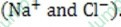

(constants for normal water : density = 1 g/c , index of refraction = 1.33 , freezing point depression constant = 1.86°C )
Which of the following would be most likely to occur if the second chamber was kept at 50?C instead of 0?C?
A. The water vapor would not condense.
B. Liquid water would be able to travel through the tube between chambers.
C. A different polymer of polywater would form.
D. The water vapor would condense more slowly.


Related Exams:
Tips on How to Prepare for the Exams
Nowadays, the certification exams become more and more important and required by more and more enterprises when applying for a job. But how to prepare for the exam effectively? How to prepare for the exam in a short time with less efforts? How to get a ideal result and how to find the most reliable resources? Here on Vcedump.com, you will find all the answers. Vcedump.com provide not only Medical Tests exam questions, answers and explanations but also complete assistance on your exam preparation and certification application. If you are confused on your MCAT-TEST exam preparations and Medical Tests certification application, do not hesitate to visit our Vcedump.com to find your solutions here.