MCAT-TEST Exam Details
-
Exam Code
:MCAT-TEST -
Exam Name
:Medical College Admission Test: Verbal Reasoning, Biological Sciences, Physical Sciences, Writing Sample -
Certification
:Medical Tests Certifications -
Vendor
:Medical Tests -
Total Questions
:812 Q&As -
Last Updated
:Jul 16, 2026
Medical Tests MCAT-TEST Online Questions & Answers
-
Question 251:
A helium-neon gas discharge laser as shown in Figure 1 below generates a coherent beam of monochromatic light at a wavelength of 632.8 nm.
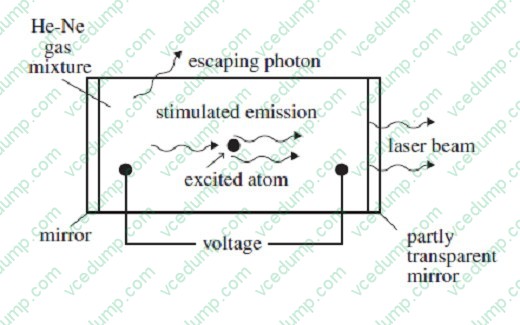
Figure 1
A discharge current of electrons is created in the tube by an applied voltage. When these electrons collide with the helium atoms, they can excite ground-state helium electrons to an energy level of 20.61 eV. The excited electrons cannot decay back to the ground state by emitting a photon because such a transition does not conserve angular momentum. Instead, if the excited helium atom collides with a neon atom, a ground-state electron in the neon atom can be excited to an energy level of 20.66 eV, and the helium electron can return to its ground state. The above process occurs quite often in the tube until the percentage of neon atoms with electrons in the 20.66-eV energy level is greater than the percentage of neon atoms with electrons in lower levels. This condition is called a population inversion. An excited electron in one of the neon atoms can then spontaneously decay by emitting a photon of wavelength 632.8 nm in a random direction. The photon will stimulate the same transition in another excited electron in a neon atom. The photon radiated by this stimulated emission process travels in the same direction as the original photon. The resulting light is then reflected back and forth inside the tube until it escapes through the partially transparent mirror. (Note: A photon's energy in eV is given by E = 1240/, where is the photon's wavelength in nm. The helium and neon ground-state energies are both 0 eV.)
A laser produces light with a wavelength of 200 nm at a power of 6.2 x 10¹⁵ eV/s. How many photons per second does this laser deliver?
A. Option A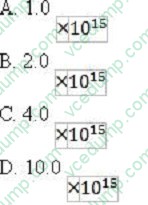
B. Option B
C. Option C
D. Option D -
Question 252:
Researchers are currently trying to develop materials which could be used to replace damaged or destroyed human muscle tissue. One of the more promising avenues of research involves the use of substances that contract with the
application of a small electric current.
Two physicists published an article relating to their work with Substance Q42, a material which contracts with the application of very small electric currents.
The atomic structure of the substance, they report, is designed so that the magnetic fields from each atom maintain a certain distance between adjacent atoms. With the application of an electrical current, the atoms' magnetic fields are
dampened slightly, causing them to draw closer together. The extent to which it contracts is dependent upon the strength of the current passing through it, but will at any rate never exceed a 20% reduction in length.
Moreover, the physicists report, Substance Q42 essentially operated like a spring, but one which can compress itself. The force generated by a spring, Fs, is given by the following equation:
Fs = -kx,
where k is the spring of constant in N/m, and x is the distance of compression (or expansion, but that is irrelevant for this example, since Substance Q42 only compresses).
With this in mind, it is possible to calculate the feasibility of using Substance Q42 as a replacement for human muscle tissue. Assume a section of test Substance Q42 is hooked to a scalable electrical source. The section is 10 cm long at its
fully extended state, and 8 cm long when fully compressed due to an electrical current.
If k = 40 000 N/m, then how much work does Substance Q42 do in compressing from its relaxed length to a length of 9 cm?
A. 2 J
B. 20 J
C. 40 J
D. 100 J -
Question 253:
Female athletes may fail to menstruate (amenorrhea) because extremely low body fat reduces the release of GnRH from the hypothalamus, affecting the secretion of LH and FSH. Which of the following is most likely to be absent in a female long-distance runner?
A. Ovary
B. Anterior pituitary
C. Corpus luteum
D. Hypothalamus -
Question 254:
A researcher in a molecular biology lab planned to carry out an extraction procedure known as an alkaline plasmid prep, which is designed to purify plasmids, small pieces of the hereditary material DNA, from bacterial cells. The bacteria are first placed into a test tube containing liquid nutrient medium and allowed to grow until they reach a high population density. The culture, which consists of solid cells suspended in the medium, is then centrifuged; a solid pellet is formed. The supernatant is poured out, leaving the pellet behind, and the cells are resuspended in a mL of lysis buffer solution (50 mM glucose, 25 mM Tris buffer and 10 mM ethylenediaminetetraacetic acid (EDTA), with 5 mg of the enzyme lysozyme added). They are then incubated for 30 minutes at 0°C, during which time the bacterial cell walls break down and the cell contents are released into the solution. After incubation, 1 mL of 0.4 N sodium hydroxide and 1 mL of 2% sodium dodecyl sulfate (SDS) are added, and the solution is again incubated on ice for 10 minutes. 2 mL of 3 M sodium acetate are added and the mixture is incubated for 30 minutes at 0°C. The test tube is centrifuged once more and the supernatant is decanted into a clean tube, leaving behind the protein and most other cell components in the pellet. Finally, 10 mL of pure ethanol are added to the supernatant from the previous step to precipitate out the DNA, and the test tube is incubated at ?0°C for 60 minutes, during which the mixture remains liquid. The mixture is centrifuged a final time and the supernatant removed. The translucent precipitate that results is washed with 70% ethanol (70% ethanol and 30% water by volume), allowed to dry, and resuspended in 1 mL of TE buffer (10 mM Tris, 1 mM EDTA). In preparation for this experiment, the researcher prepared stock solutions of the various chemicals that she will need in the experiment. Stock solutions are highly concentrated solutions of commonly used chemicals in water from which dilute solutions are prepared for daily use. Table 1 shows the chemicals, their molecular formulas and weights, and the composition of commonly used stock solutions.
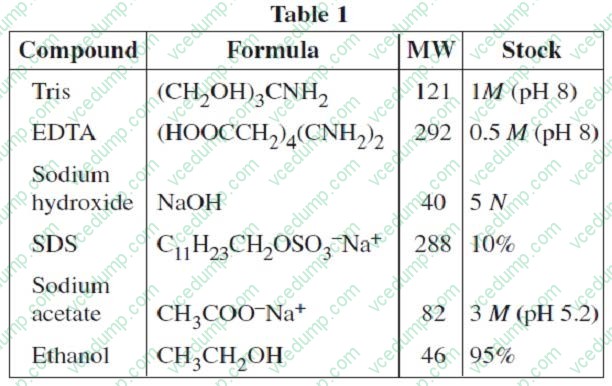
EDTA is available commercially in the form of a hydrated sodium salt, Na2 EDTA ?2H2O. How much of this salt must be used to produce 1 L of a 0.5 M stock solution?
A. 145 g
B. 146 g
C. 186 g
D. 187 g -
Question 255:
Electromagnetic radiation from space constantly bombards the earth. Most wavelengths are absorbed by the atmosphere; however, there are two "windows" of nonabsorption through which significant amounts of radiation reach the ground. The first transmits ultraviolet and visible light, as well as infrared light or heat; the second transmits radio waves. As a result, terrestrial organisms have evolved a number of pigments that interact with light in various ways: some capture light energy, some provide protection from light- induced damage, and some serve camouflage or signaling purposes.
Among these compounds are many conjugated polyenes, which play important roles as photoreceptors. For every chemical compound, there are certain wavelengths of light whose quanta possess exactly the correct amount of energy to raise electrons from their ground state to higher-energy orbitals. For most organic compounds, these wavelengths are in the UV range. However, conjugated double bond systems stabilize the electrons, so that they can be excited by lower-frequency photons with wavelengths in the visible spectrum. Such a pigment, known as a chromophore, will then transmit the "subtraction color," a color complementary to the one absorbed. For instance, carotene, a hydrocarbon compound with eleven conjugated double bonds, absorbs blue light and transmits orange. The wavelength that is absorbed generally increases with the number of conjugated bonds; rings and side-chains also affect wavelength.
Wavelength Color Subtraction Color 480 nm blue orange 580 nm yellow violet 680 nm red green
Among the many biological molecules that are affected by light is DNA, the genetic material of living organisms. DNA absorbs ultraviolet light, and may be damaged by UVC (< 280 nm) and UVB (280-315 nm). UVA (315-400 nm) and visible light can actually repair light-induced damage to DNA by a process called photorepair. For this reason, UVA, which also stimulates tanning, was once considered beneficial. However, there is now increasing evidence that UVA can damage skin.
The electrons that give color to a carotene molecule are found in:
A. s orbitals.
B. orbitals.
C. d orbitals.
D. f orbitals. -
Question 256:
The Earth's atmosphere reaches hundreds of kilometers above the surface of the planet. The lowest layer, the troposphere, extends from the ground to a height of approximately 12 km. Air pressure within the troposphere decreases with height above the ground, accompanied by a parallel trend in air density. The decrease in density has important consequences for the dissipation of air pollution from industrial smoke stacks. The gas from the stack is typically hotter and less dense than the surrounding air and rises. As a parcel of hot air rises, it expands approximately adiabatically doing work on the surrounding air. This results in a decrease in both its temperature and its density.
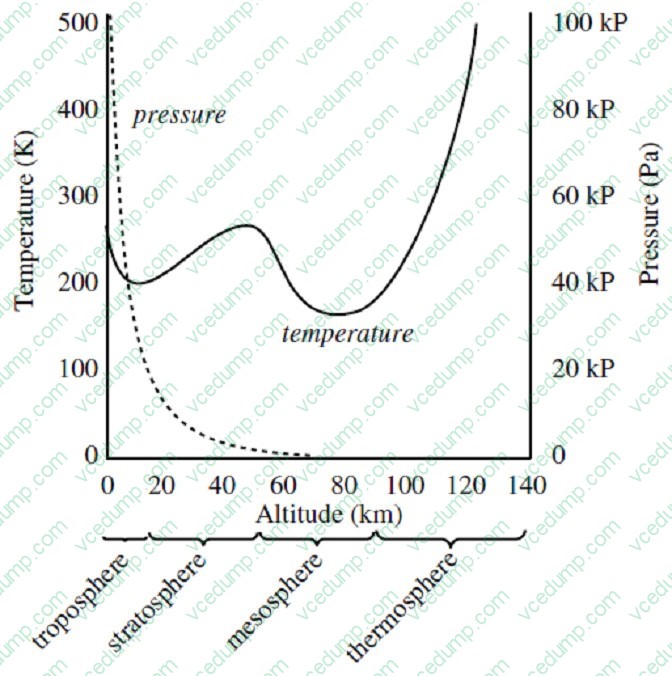
Figure 1 A smoke stack functions to expel gaseous waste products from a chemical process. It is also an important means of removing heat from a reaction mixture. The heat corresponding to a change in temperature of a gas at constant pressure is

given by , where is the heat added to the gas, n is the number of moles of gas, is the molar heat capacity of a particular gas at constant pressure, and T is the change in temperature. At atmospheric pressure, the

molar heat capacity for steam, O (g) is approximately four times that of air.
Two identical balloons of negligible mass are tethered at altitudes of 2000 meters and 2600 meters, respectively. The balloons are filled with helium gas to equal volumes. Which of the following statements is true concerning the buoyant force acting on each balloon?
A. The buoyant force on the balloon at 2600 meters will be greater.
B. The buoyant force on the balloon at 2000 meters will be greater.
C. The buoyant forces on the two balloons will be equal.
D. The relationship between the buoyant forces cannot be determined. -
Question 257:
At a recent meeting of the American Public Transit Association, the Environmental Protection Agency unveiled stringent new standards for pollution control. The transit authorities were particularly concerned about the implementation of a proposed "Clean Air Act." They believed the provisions of the Clean Air Act could severely affect basic services to their local communities. Many transit agencies were concerned that it would be difficult to comply with the pollution and emissions control standards while continuing to operate within realistic budgets. The aim of the Clean Air Act is to assure that by the year 2000, there will be a reduction of at least 10 million tons of sulfur dioxide from 1980 levels. The bill also calls for a reduction in pollutants that contribute to the depletion of ozone. Strict regulations of toxic air emissions would have to be established and enforced. Additionally, the Clean Air Act would establish specific acid-rain reduction quotas and enforce severe penalties for transgressors of any of the new clean air regulations. There is little doubt that mass-transit suppliers will be considerably affected by this new legislation, just as the chemical and petroleum industries have already been affected by similar legislation. Transit authorities are challenged to strike a difficult balance between complying with the government's new standards and developing an official concern for the environment, while continuing to fulfill the transportation needs of the general population. Among the areas addressed by the Clean Air Act, the topic of mobile resources is of particular interest to mass transit authorities. Provisions contained in the Act under this title are aimed at encouraging the development and practical use of alternative fuel sources, like solar energy and methane fuel. The goal of this section of the Act is to eradicate toxic fuel emissions in order to provide cleaner air and a more favorable environment. The Act even goes so far as to declare that in cities like New York, Los Angeles and Houston -- where air quality is particularly noxious and toxins exceed the limits of federal regulations -- forms of mass transit should run on so-called "clean-burning fuels" by the year 2000. Such fuels include reformulated gasoline, propane, electricity, natural gas, ethanol, methanol, or any similar type of low-emission fuel. In addition, the Act proposes that, by 1994, all new urban buses in cities with populations exceeding one million must operate solely on clean-burning fuels. The topics of alternative fuels and alternative fuel vehicles represent, by far, the most controversial issue in the Clean Air Act. President Bush has called alternative fuels "bold and innovative" means to control pollution, but according to many transportation experts, the Act's proposals on alternative fuel usage are unrealistic. The transit authorities recognize that concern for the environment and health hazards like pollution are global issues. However, most transit officials concur that inventing and developing new ways to fuel mass transit will take at least 50 years to realize. They point out that the Act does not mention the political and social ramifications of usurping the role of the petroleum industries. The Act does not mention if or how the thousands of people employed by the oil industry will get retrained to produce and implement the use of "clean" fuel. No one disputes the fact that people need some form of transportation to get from place to place. Preserving the environment should be a priority, yet we need to remember that even if toxic emissions are completely eliminated sometime in the future, the challenge of moving mass numbers of people where they want to go will still exist and must remain a priority. Transit authorities contend that unless the Clean Air Act also acknowledges this, and develops a way to encourage mass transit over personal transportation, the problems of pollution might not be significantly altered. They suggest that there are many areas in this country that have little or no mass transit and that, if the Clean Air Act's goal is to reduce pollution, perhaps the most practical and realistic means to achieve that goal is to encourage the development and maintenance of mass transit systems.
According to transit authorities, unless the Clean Air Act acknowledges the necessity for mass transit, and encourages its use over that of personal transportation:
A. the cost of mass transit will rise to a prohibitive level.
B. private automobile manufacturers will take advantage of the loopholes in the Clean Air Act.
C. pollution may continue unabated.
D. the use of public transportation in rural areas will decrease. -
Question 258:
Electromagnetic radiation from space constantly bombards the earth. Most wavelengths are absorbed by the atmosphere; however, there are two "windows" of nonabsorption through which significant amounts of radiation reach the ground. The first transmits ultraviolet and visible light, as well as infrared light or heat; the second transmits radio waves. As a result, terrestrial organisms have evolved a number of pigments that interact with light in various ways: some capture light energy, some provide protection from light- induced damage, and some serve camouflage or signaling purposes.
Among these compounds are many conjugated polyenes, which play important roles as photoreceptors. For every chemical compound, there are certain wavelengths of light whose quanta possess exactly the correct amount of energy to raise electrons from their ground state to higher-energy orbitals. For most organic compounds, these wavelengths are in the UV range. However, conjugated double bond systems stabilize the electrons, so that they can be excited by lower-frequency photons with wavelengths in the visible spectrum. Such a pigment, known as a chromophore, will then transmit the "subtraction color," a color complementary to the one absorbed. For instance, carotene, a hydrocarbon compound with eleven conjugated double bonds, absorbs blue light and transmits orange. The wavelength that is absorbed generally increases with the number of conjugated bonds; rings and side-chains also affect wavelength.
Wavelength Color Subtraction Color 480 nm blue orange 580 nm yellow violet 680 nm red green Among the many biological molecules that are affected by light is DNA, the genetic material of living organisms. DNA absorbs ultraviolet light, and may be damaged by UVC (< 280 nm) and UVB (280-315 nm). UVA (315-400 nm) and visible light can actually repair light-induced damage to DNA by a process called photorepair. For this reason, UVA, which also stimulates tanning, was once considered beneficial. However, there is now increasing evidence that UVA can damage skin.
Two pigments are identical except for the lengths of their conjugated polyene chains. The first transmits yellow light and the second red. What can be said about the sizes of the chromophores?
A. The first is longer.
B. The second is longer.
C. One of the chromophores must be a dimer.
D. The comparative lengths cannot be determined. -
Question 259:
It is critical for the human body blood to maintain its pH at approximately 7.4. Decreased or increased blood pH are called acidosis and alkalosis respectively; both are serious metabolic problems that can cause death. The table below lists the major buffers found in the blood and/or kidneys. Table 1 Buffer pKa of a typical conjugate acid:*
+ Histidine side chains

Organic phosphates N-terminal amino groups

7.0
8.0
9.2

*For buffers in many of these categories, there is a range of actual values.
The relationship between blood pH and the of any buffer can be described by the Henderson-Hasselbalch equation:
pH = + log([conjugate base]/[conjugate acid]) Equation 1

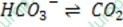
Bicarbonate, the most important buffer in the plasma, enters the blood in the form of carbon dioxide, a byproduct of metabolism, and leaves in two forms: exhaled and excreted bicarbonate. Blood pH can be adjusted rapidly by changes
in the rate of exhalation. The reaction given below, which is catalyzed by carbonic anhydrase in the erythrocytes, describes how bicarbonate and interact in the blood.
+ + Reaction 1
What would be the nature of the compensatory change that would take place in the respiratory system response to acidosis caused by organic acids?
A. Option A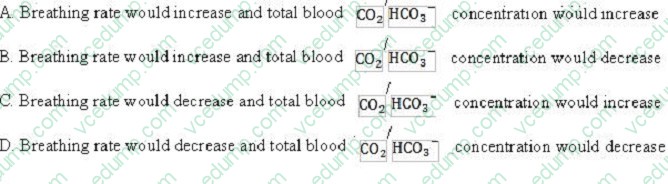
B. Option B
C. Option C
D. Option D -
Question 260:
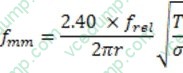
Musical instruments generate vibrations in the air that are perceived as musical tones. In many kinds of drums, these vibrations are created by a standing waves in a vibrating membrane. In a timpani drum, membrane vibration is coupled to the vibration of an enclosed volume of air. There may also be a second membrane whose vibration is coupled to that of the first by the enclosed air space, as in a snare drum. An idealized circular membrane will vibrate at normal mode frequencies given by Equation 1 where T is the membrane tension, r is the membrane radius, is the mass per unit area of the membrane, and frel is the relative frequency shown under each mode in Figure 1. The pitch of drums can be tuned by adjusting the membrane tension.
Equation 1
The modes are designated by two numbers, m and n. m indicates the number of diameter nodes, and n indicates the number of circular nodes. Several modes of vibration are shown in Figure 1.
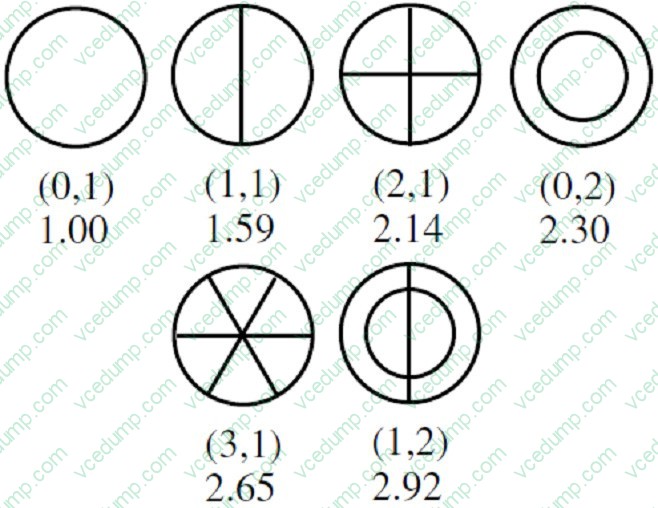
Figure 1
The speed of sound is inversely proportional to the square root of the density of the gaseous medium through which it travels. Which of the following statements is true regarding an ideal membrane played in a low pressure environment?
A. The sound intensity will decrease because the vibrations will be more rapidly dispersed.
B. The vibration of the membrane will occur with greater amplitude at the higher modes.
C. The pitch will be higher because the frequency of vibration will increase.
D. The pitch will remain unchanged because the frequency of vibration is not changed.
Related Exams:
Tips on How to Prepare for the Exams
Nowadays, the certification exams become more and more important and required by more and more enterprises when applying for a job. But how to prepare for the exam effectively? How to prepare for the exam in a short time with less efforts? How to get a ideal result and how to find the most reliable resources? Here on Vcedump.com, you will find all the answers. Vcedump.com provide not only Medical Tests exam questions, answers and explanations but also complete assistance on your exam preparation and certification application. If you are confused on your MCAT-TEST exam preparations and Medical Tests certification application, do not hesitate to visit our Vcedump.com to find your solutions here.