N10-009 Exam Details
-
Exam Code
:N10-009 -
Exam Name
:CompTIA Network+ -
Certification
:CompTIA Certifications -
Vendor
:CompTIA -
Total Questions
:746 Q&As -
Last Updated
:Jul 18, 2026
CompTIA N10-009 Online Questions & Answers
-
Question 431:
A user is having trouble uploading files to a server. However, other users in the department are not experiencing this issue. The network administrator checks the access switch and sees multiple CRC errors on that user's switchport.
Which of the following should the network administrator do first?
A. Replace the uplink cable for the access switch.
B. Replace the user's network cable.
C. Replace the NIC for the user's PC.
D. Replace the access switch. -
Question 432:
A customer has an attached USB printer that needs to be shared with other users. The desktop team set up printer sharing. Now, the network technician needs to obtain the necessary information about the PC and share it with other users so they can connect to the printer.
Which of the following commands should the technician use to get the required information? (Choose two.)
A. arp
B. route
C. netstat
D. tcpdump
E. hostname
F. ipconfig -
Question 433:
Which of the following requires network devices to be managed ustng a different set of IP addresses?
A. Console
B. Split tunnel
C. Jump box
D. Out of band -
Question 434:
A network engineer configures a Layer 3 switch to segment departments.
The following configuration is applied:
VLAN 10 Finance
VLAN 20 HR
Interface VLAN 10: 192.168.10.1/24
Interface VLAN 20: 192.168.20.1/24
Switchport Gi1/0/1 VLAN 10
Switchport Gi1/0/2 VLAN 20
Users in both VLANs report they cannot communicate with each other.
Which of the following is MOST likely missing?
A. DHCP relay
B. Inter-VLAN routing (ip routing)
C. Port security
D. STP -
Question 435:
A network administrator must implement a feature that supports redundancy and scaling on the switches at the distribution layer of the network.
Which of the following is the best option?
A. VLAN assignment
B. Spanning tree
C. Port speed
D. Full duplex -
Question 436:
In the troubleshooting methodology, which of the following actions comes after verifying that the initial problem has been resolved?
A. If necessary, escalating the issue
B. Attempting to replicate the problem
C. Documenting findings
D. Implementing the plan -
Question 437:
A network administrator is notified that a user cannot access resources on the network. The network administrator checks the physical connections to the workstation labeled User and sees the Ethernet is properly connected. However, the network interface's indicator lights are not blinking on either the computer or the switch.
Which of the following is the most likely cause?
A. The switch failed.
B. The default gateway is wrong.
C. The port is shut down.
D. The VLAN assignment is incorrect. -
Question 438:
A network administrator deploys new network hardware. While configuring the network monitoring server, the server could authenticate but could not determine the specific status of the hardware.
Which of the following would the administrator most likely do to resolve the issue?
A. Use the public community string
B. Import the appropriate MIB
C. Set up a switchport analyzer and forward traffic
D. Configure SNMPv3 privacy -
Question 439:
HOTSPOT
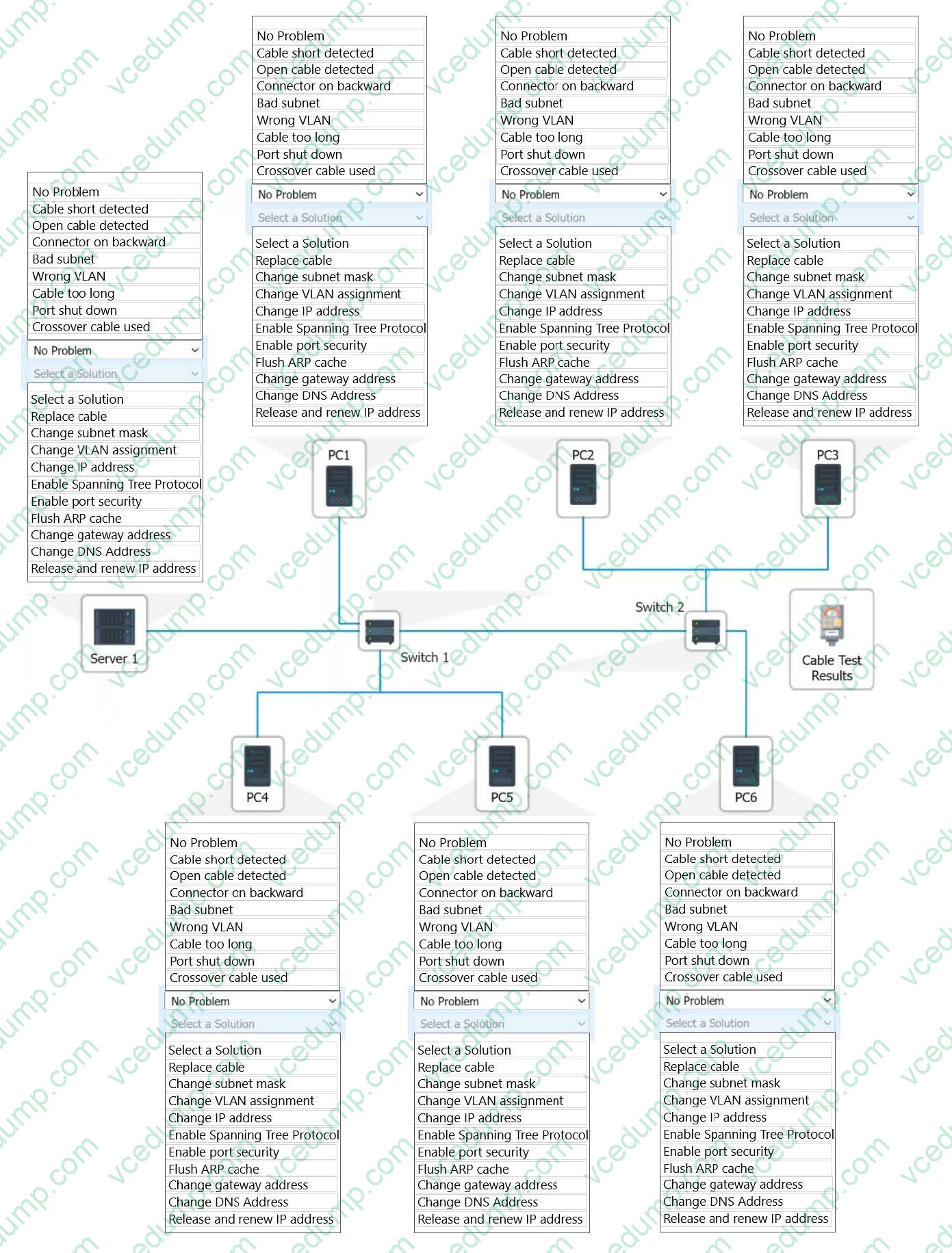
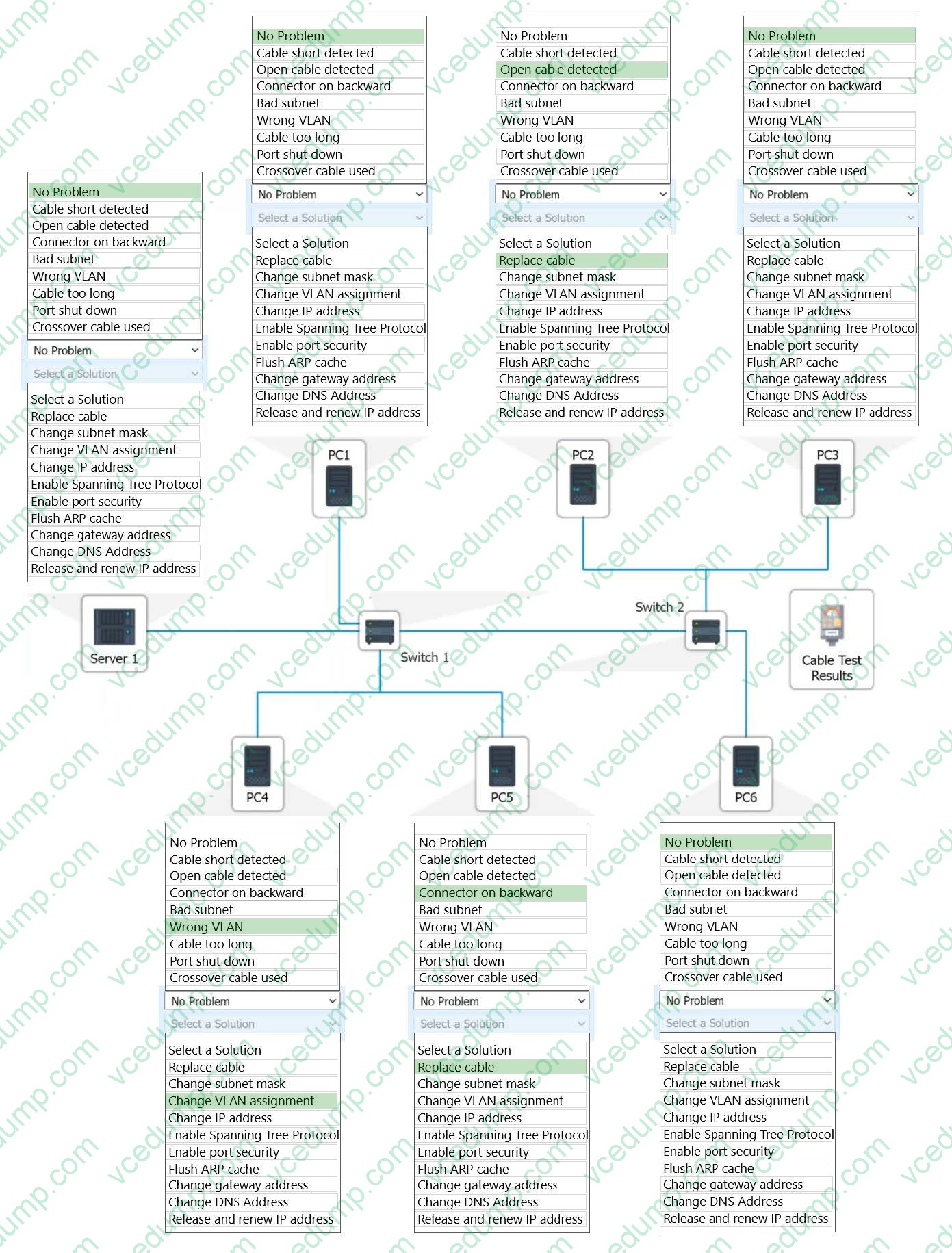
A network technician needs to resolve some issues with a customer's SOHO network. The customer reports that some of the PCs are not connecting to the network, while others appear to be working as intended.
INSTRUCTIONS
Troubleshoot all the network components.
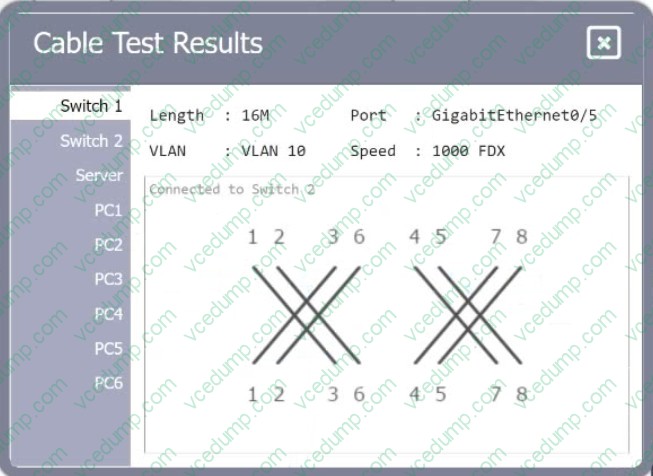
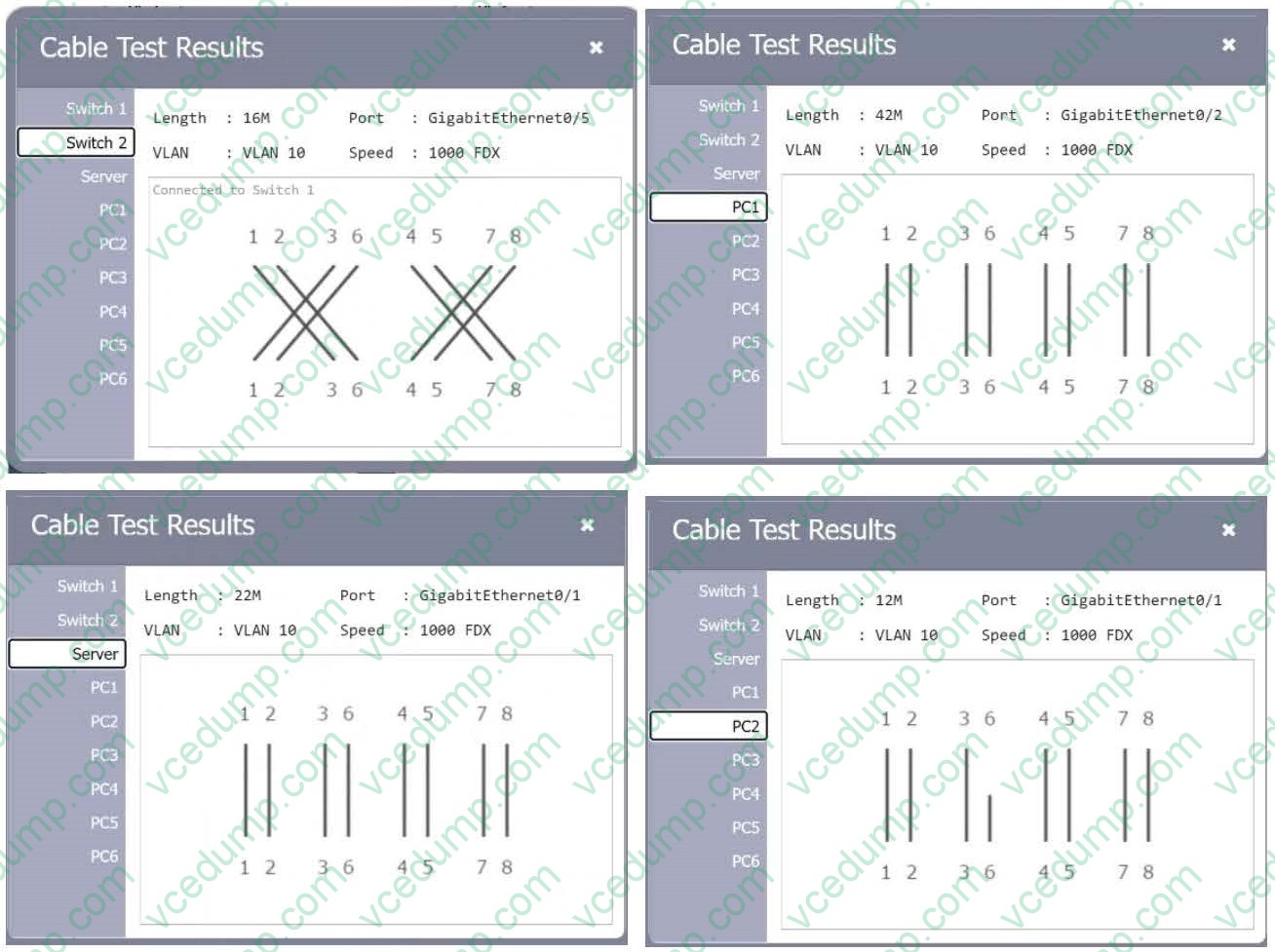
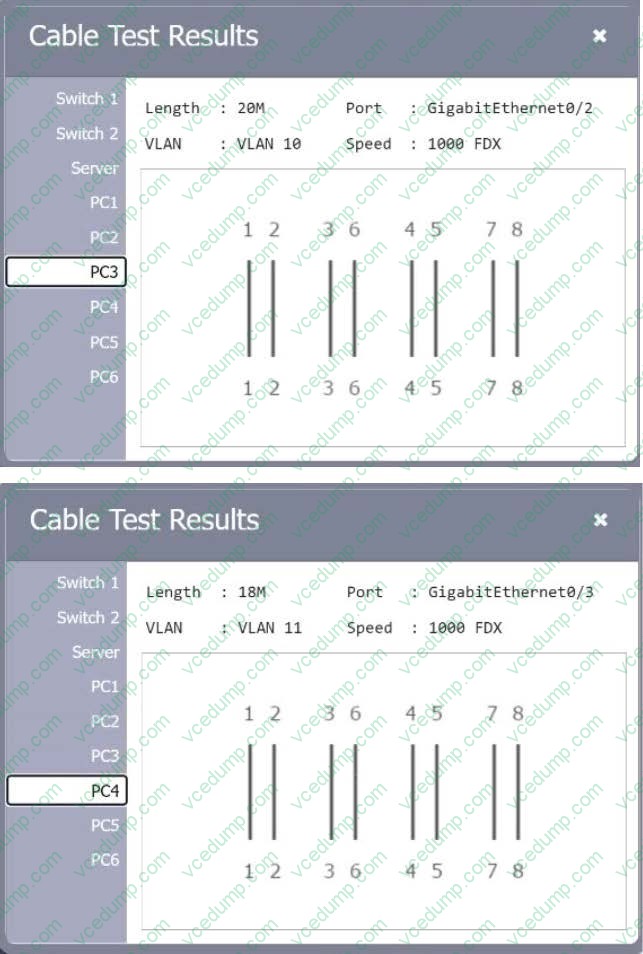
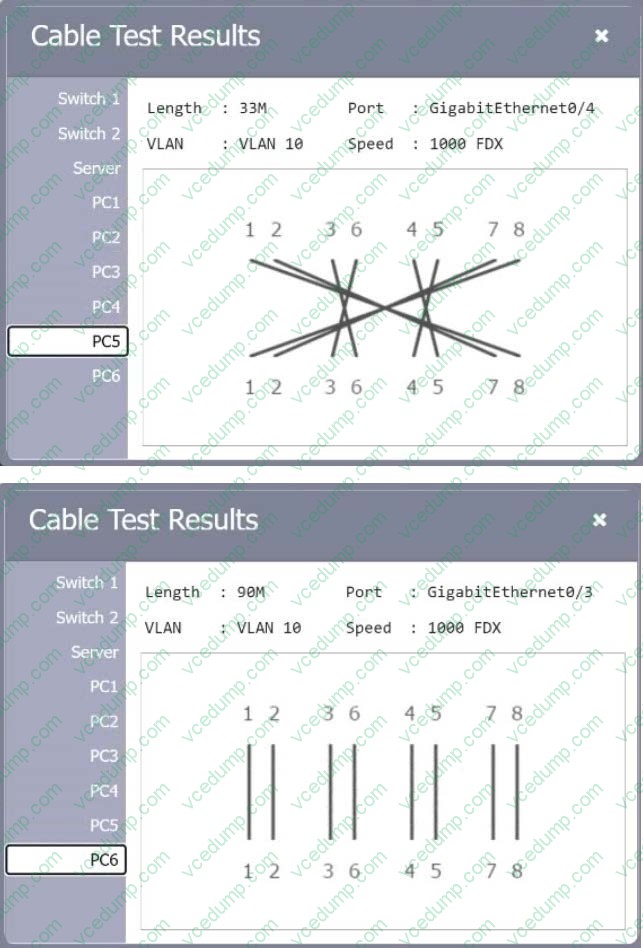
Review the cable test results rst, then diagnose by clicking on the appropriate PC, server, and Layer 2 switch.
Identify any components with a problem and recommend a solution to correct each problem.
If at any time you would like to bring back the initial state of the simulation, please dick the Reset All button.
-
Question 440:
Which of the following troubleshooting steps would provide a change advisory board with the information needed to make a decision?
A. Identify the problem.
B. Develop a theory of probable cause.
C. Test the theory to determine cause.
D. Establish a plan of action.
Related Exams:
-
220-1001
CompTIA A+ Certification: Core 1 -
220-1002
CompTIA A+ Certification: Core 2 -
220-1101
CompTIA A+ Certification: Core 1 -
220-1102
CompTIA A+ Certification: Core 2 -
220-1201
CompTIA A+ Certification: Core 1 -
220-1202
CompTIA A+ Core 2 (2026) -
220-902
CompTIA A+ Certification -
CAS-004
CompTIA Advanced Security Practitioner (CASP+) -
CAS-005
CompTIA SecurityX -
CLO-001
CompTIA Cloud Essentials+
Tips on How to Prepare for the Exams
Nowadays, the certification exams become more and more important and required by more and more enterprises when applying for a job. But how to prepare for the exam effectively? How to prepare for the exam in a short time with less efforts? How to get a ideal result and how to find the most reliable resources? Here on Vcedump.com, you will find all the answers. Vcedump.com provide not only CompTIA exam questions, answers and explanations but also complete assistance on your exam preparation and certification application. If you are confused on your N10-009 exam preparations and CompTIA certification application, do not hesitate to visit our Vcedump.com to find your solutions here.