CCRN-ADULT Exam Details
-
Exam Code
:CCRN-ADULT -
Exam Name
:CCRN (Adult) - Direct Care Eligibility Pathway -
Certification
:AACN Certifications -
Vendor
:AACN -
Total Questions
:150 Q&As -
Last Updated
:May 25, 2026
AACN CCRN-ADULT Online Questions & Answers
-
Question 111:
A patient is recovering from CABG surgery. On postoperative day 3, the patient's laboratory values indicate thrombocytopenia and elevated liver function tests. The patient is scheduled for hemodialysis today. A nurse notifies the physician of the abnormal laboratory values. The nurse should next anticipate an order to
A. administer heparin to prevent clot formation.
B. complete hemodialysis without heparin.
C. transfuse platelets during hemodialysis.
D. reschedule hemodialysis. -
Question 112:
The dysrhythmia most commonly associated with mitral stenosis is
A. second-degree AV heart block, Mobitz Type II.
B. idioventricular rhythm.
C. sinus bradycardia.
D. atrial fibrillation. -
Question 113:
A patient is admitted with hypotension, tachycardia, and intermittent confusion. Upon arrival, the patient asks to walk to the bathroom. Which of the
following is a nurse's best action?
A. Assess the patient's vital signs and ask the physician for an order for activity.
B. Conduct a fall risk assessment and institute appropriate interventions.
C. Encourage the patient to walk independently to the bathroom to enhance early mobility.
D. Situate the patient in bed and provide a bed pan. -
Question 114:
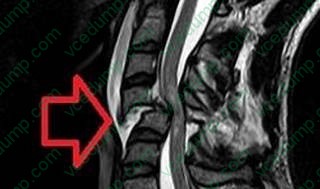
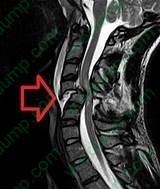
A patient with a C5 spinal cord injury calls the nurse every 15 minutes with requests for juice, water, and repositioning. Which of the following is the nurse's best response?
A. "You need to be repositioned only every 2 hours."
B. "You are safe. Nothing will happen to you."
C. "I will check on you every 30 minutes."
D. "I will get someone to sit with you." -
Question 115:
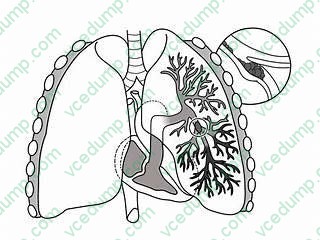
For a patient with suspected pulmonary embolism, which of the following is the most definitive diagnostic test?
A. pulmonary angiography
B. ABG analysis
C. ventilation scan
D. chest x-ray -
Question 116:
Which of the following should the nurse expect in a patient with papillary muscle dysfunction?
A. mitral insufficiency
B. aortic stenosis
C. mitral stenosis
D. aortic insufficiency -
Question 117:
Assessment of a patient with a head injury reveals increased muscle tone and contractured positioning of the upper extremities. A nurse should
A. use wrist restraints to maintain upper extremity extension.
B. obtain an order for a muscle relaxer.
C. recognize that contractures are an expected response after a head injury.
D. consult a physical therapist regarding appropriate positioning. -
Question 118:
A nurse is caring for a patient with pulmonary fibrosis who is exhibiting shortness of breath, tachypnea, and feels a sense of impending doom. In order to relieve these symptoms, the nurse should anticipate an order for
A. morphine.
B. hydromorphone.
C. lorazepam.
D. diazepam. -
Question 119:
A patient admits to a nurse that he has struggled with depression and feelings of isolation and abandonment since moving into a nursing home last year,
but he has recently started taking an anti-depressant. The patient states, "Sometimes it takes everything I've got just to go on each day." Which of the
following is the nurse's best initial response?
A. "You sound like you've been really unhappy. Have you thought about harming yourself?"
B. "Those feelings should resolve when the medication you've started has a chance to take effect."
C. "I understand how you feel. We all get that way when we're depressed."
D. "Have you talked to anyone about what is bothering you?" -
Question 120:
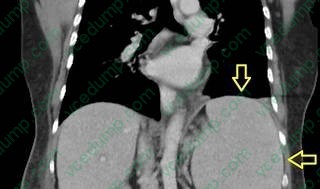
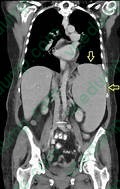
A patient presents with fever and chills, is diaphoretic, and reports experiencing abdominal and intermittent left shoulder pain for the past week. An ultrasound shows an enlarged spleen. Vital signs are: BP 106/59 HR 118 RR 23 T101.2°F (38.4°C) When reviewing the lab report, which of the following findings is most significant to this presentation?
A. positive blood cultures
B. PLT 150,000/mm3
C. WBC less than 500/mm3
D. Hct 39%
Tips on How to Prepare for the Exams
Nowadays, the certification exams become more and more important and required by more and more enterprises when applying for a job. But how to prepare for the exam effectively? How to prepare for the exam in a short time with less efforts? How to get a ideal result and how to find the most reliable resources? Here on Vcedump.com, you will find all the answers. Vcedump.com provide not only AACN exam questions, answers and explanations but also complete assistance on your exam preparation and certification application. If you are confused on your CCRN-ADULT exam preparations and AACN certification application, do not hesitate to visit our Vcedump.com to find your solutions here.