A patient's IV with norepinephrine (Levophed) infusing is red, swollen, and the IV pump is alarming. A nurse should anticipate
-
A
administering phentolamine (Regitine).
-
B
providing a warm compress.
-
C
lowering the extremity below heart level.
-
D
removing the IV immediately.
Reveal answer details
Close answer details
Correct answerA
ExplanationPhentolamine (Regitine) is the antidote for norepinephrine extravasation, which is the leakage of the vasopressor from the vein into the surrounding tissue. Phentolamine reverses the vasoconstriction and ischemia caused by norepinephrine by blocking the alpha-adrenergic receptors. Phentolamine should be administered intradermally around the site of extravasation as soon as possible, and the infusion should be stopped but the IV catheter should not be removed until some of the norepinephrine is aspirated. A warm compress may worsen the tissue damage by increasing the absorption of norepinephrine, and lowering the extremity may increase the edema and pain. Removing the IV immediately may prevent the aspiration of norepinephrine and the administration of phentolamine.
References:
Episode 240: What to do with norepinephrine extravasation: This article explains the steps to take when norepinephrine extravasates, including the use of phentolamine, and the reasons to avoid cold compress, lowering the extremity, and removing the IV.
What are current recommendations for treatment of drug extravasation?: This article summarizes the latest recommendations for treatment of extravasation, and lists phentolamine as the immediate topical therapy for norepinephrine extravasation.
A patient who recently lost their spouse is admitted following an emergent cardiac catheterization. The procedure report states chest pain and ST elevation, no significant coronary artery disease, left ventricular dysfunction with apical ballooning, and an EF of 35%. These findings are consistent for
-
A
arrhythmogenic right ventricular cardiomyopathy.
-
B
non ischemic cardiomyopathy.
-
C
hypertrophic cardiomyopathy.
-
D
takotsubo cardiomyopathy.
Reveal answer details
Close answer details
Correct answerD
ExplanationTakotsubo cardiomyopathy, also known as stress-induced cardiomyopathy or "broken heart syndrome," is characterized by transient left ventricular dysfunction often precipitated by significant emotional or physical stress. The key findings of chest pain and ST elevation without significant coronary artery disease, along with left ventricular dysfunction and apical ballooning observed on imaging, are classic for takotsubo cardiomyopathy. This condition is often reversible and is associated with a temporary reduction in the heart's pumping ability, indicated by the reduced ejection fraction (EF) of 35%.
References:
=
American Association of Critical-Care Nurses (AACN). (2024). CCRN Exam Handbook. Retrieved from AACN CCRN Exam Handbook Adult CCRN/CCRN-E/CCRN-K Certification Review Course Online. AACN
Assessment of a patient with a head injury reveals increased muscle tone and contractured positioning of the upper extremities. A nurse should
-
A
use wrist restraints to maintain upper extremity extension.
-
B
obtain an order for a muscle relaxer.
-
C
recognize that contractures are an expected response after a head injury.
-
D
consult a physical therapist regarding appropriate positioning.
Reveal answer details
Close answer details
Correct answerD
ExplanationIn patients with head injuries, increased muscle tone and contractured positioning (such as decorticate or decerebrate posturing) are signs of significant neurological impairment. It is essential to manage these symptoms to prevent further complications. Consulting a physical therapist is the best course of action to ensure appropriate positioning, prevent contractures, and manage spasticity effectively.
References:
CCRN Exam Handbook and AACN's Certification Review Course materials.
A patient underwent a successful percutaneous coronary intervention to the left anterior descending coronary artery. The patient suddenly begins to complain of dyspnea, jaw pain, and chest tightness. The bedside monitor displays sinus tachycardia and ST segment elevation in lead V2. The patient's neck veins are flat and BP is 152/98. Which of the following is the most likely cause of the patient's symptoms?
-
A
-
B
coronary artery occlusion
-
C
-
D
Reveal answer details
Close answer details
Correct answerB
ExplanationThe patient presents with dyspnea, jaw pain, chest tightness, and sinus tachycardia with ST segment elevation in lead V2 after a percutaneous coronary intervention (PCI). These symptoms are indicative of myocardial ischemia or infarction, likely due to a re-occlusion of the treated coronary artery. Coronary artery occlusion is a common cause of these acute symptoms post-PCI. Other options like pulmonary hypertension, vasovagal reaction, and cardiac tamponade are less consistent with the clinical presentation.
References:
AACN Adult CCRN Certification Review Course, AACN CCRN Exam Handbook.
A patient with a history of six cardiac catheterizations relates that he has received differing instructions about the duration of required bedrest after the procedure.
To further investigate this issue, which of the following is a nurse's most appropriate action?
-
A
Ask about obtaining an independent evaluation of unit outcomes.
-
B
Conduct an informal chart review and outcome evaluation of patients treated with different bedrest protocols.
-
C
Review recent published research about bedrest protocols.
-
D
Ask the nursing supervisor to request standardized physician orders for patients who have undergone catheterization.
Reveal answer details
Close answer details
Correct answerC
ExplanationThe nurse's most appropriate action is to review recent published research about bedrest protocols, as this would provide the nurse with the most current and reliable evidence to guide clinical practice and improve patient outcomes. Bedrest protocols after cardiac catheterization may vary depending on the type of access site, the use of closure devices, the patient's risk factors, and the clinician's preference. However, there is a growing body of research that supports early ambulation and shorter bedrest duration to reduce the risk of complications, such as bleeding, hematoma, back pain, and venous thromboembolism, and to enhance patient comfort and satisfaction 123. Asking about obtaining an independent evaluation of unit outcomes, conducting an informal chart review and outcome evaluation of patients treated with different bedrest protocols, or asking the nursing supervisor to request standardized physician orders for patients who have undergone catheterization are not the most appropriate actions, as they may not reflect the best available evidence, may be biased or incomplete, or may not address the patient's concern.
References:
1: Bedrest After Cardiac Catheterization: A Systematic Review and Meta- analysis4, p. 1-2.
2: Early Ambulation After Cardiac Catheterization: A Literature Review, p. 1-2.
3: Bed Rest After Cardiac Catheterization: A Review of the Evidence, p. 1-2.
A patient with a history of alcohol abuse has been admitted for progressive dyspnea and leg swelling.
Assessment findings include: BP155/90 HR85 CVP12 mm Hg Which of the following tests will provide the most definitive diagnosis?
-
A
-
B
-
C
-
D
Reveal answer details
Close answer details
A patient post-surgical externalized ventricular drain placement has treatment orders that include continuous cerebrospinal fluid (CSF) drainage at 10 mm Hg. Which of the following should the nurse anticipate with an increase in the ICP above 25 mm Hg?
-
A
a decrease in the pulse pressure
-
B
a change in CSF drainage from clear to pink
-
C
the amplitude of P2 greater than P1 on the waveform morphology
-
D
an increase in the cerebral perfusion pressure from 65 to 70
Reveal answer details
Close answer details
Correct answerC
ExplanationAn increase in intracranial pressure (ICP) above 25 mm Hg often results in changes in the waveform morphology observed in the monitoring of intracranial pressure. Specifically, the amplitude of P2 becomes greater than P1, which is indicative of decreased intracranial compliance. This pattern is known as the "pathological waveform," suggesting increased intracranial pressure and decreased ability of the brain to accommodate the pressure changes.
References:
CCRN Exam Handbook, AACN, page 23, section on Neurological.
Family members have been complaining about limited visiting hours. To facilitate a potential change in practice, a nurse should first
-
A
schedule an interdisciplinary team meeting to discuss visiting hours.
-
B
begin a literature search on family visitation practices.
-
C
consult with medical staff to change visiting hours.
-
D
draft a new policy regarding visitation practices for the unit.
Reveal answer details
Close answer details
Correct answerB
ExplanationThe initial step in facilitating a change in practice regarding visiting hours should involve a literature search on family visitation practices. This allows the nurse to gather evidence-based information that can support any proposed changes. After gathering sufficient evidence, the nurse can then schedule an interdisciplinary team meeting to discuss the findings, consult with medical staff, and draft a new policy if necessary.
References:
CCRN Exam Handbook, AACN, page 35, section on Professional Caring and Ethical Practice.
A patient in septic shock is treated with a dopamine (Intropin) infusion of 10 mcg/kg/min. Which of the following indicates that this intervention has been effective?
-
A
decreased systemic vascular resistance and decreased MAP
-
B
increased systemic vascular resistance and decreased MAP
-
C
decreased systemic vascular resistance and increased MAP
-
D
increased systemic vascular resistance and increased MAP
Reveal answer details
Close answer details
Correct answerD
ExplanationDopamine, when administered at a dose of 10 mcg/kg/min, acts primarily as an alpha-adrenergic agonist, leading to vasoconstriction. This results in increased systemic vascular resistance (SVR) and increased mean arterial pressure (MAP), which are desired outcomes in the treatment of septic shock. This effect helps improve perfusion to vital organs and stabilize hemodynamics in patients with septic shock.
References:
CCRN (Adult) Certification Review Course Online: Cardiovascular and Hemodynamics.
American Association of Critical-Care Nurses (AACN). (2024). CCRN Exam Handbook. Retrieved from AACN CCRN Exam Handbook Adult CCRN/CCRN-E/CCRN-K Certification Review Course Online. AACN
Question 10
Single choice
The dysrhythmia most commonly associated with mitral stenosis is
-
A
second-degree AV heart block, Mobitz Type II.
-
B
-
C
-
D
Reveal answer details
Close answer details
Correct answerD
ExplanationMitral stenosis leads to increased pressure in the left atrium, which can cause atrial enlargement and predispose patients to atrial fibrillation. Atrial fibrillation is the most common arrhythmia associated with mitral stenosis due to the structural changes in the atrium.
References:
CCRN Exam Handbook and AACN's Certification Review Course materials.
Question 11
Single choice
A patient who was admitted after an open aortofemoral bypass for claudication at rest has a hemoglobin A1C of 8.9. The patient admits having poor control of blood glucose levels and is scared to use insulin as directed because of a few episodes of hypoglycemia. Which of the following should the nurse initially request to be consulted?
-
A
-
B
-
C
-
D
Reveal answer details
Close answer details
Question 12
Single choice
Appropriate outcomes for a patient with status asthmaticus include
-
A
increased PaCO2 and decreased FEV1.
-
B
decreased peak flow rates and decreased wheezing.
-
C
paradoxical breathing and increased FEV1.
-
D
normal PaCO2 and increased FEV1.
Reveal answer details
Close answer details
Correct answerD
ExplanationThe appropriate outcomes for a patient with status asthmaticus are normal PaCO2 and increased FEV1.
Status asthmaticus is a severe and life-threatening asthma exacerbation that does not respond to conventional treatment. It causes severe bronchoconstriction, air trapping, and mucus plugging, leading to hypoxemia, hypercapnia, and respiratory failure. The goals of treatment are to reverse the airway obstruction, improve gas exchange, and prevent complications. PaCO2 is the partial pressure of carbon dioxide in the blood, which reflects the adequacy of ventilation. FEV1 is the forced expiratory volume in one second, which measures the amount of air that can be forcefully exhaled in the first second of a breath. It reflects the degree of bronchoconstriction and airflow limitation. A patient with status asthmaticus typically has elevated PaCO2 and reduced FEV1 due to poor ventilation and severe obstruction.
Therefore, normalizing PaCO2 and increasing FEV1 indicate improvement in the patient's condition and response to treatment.
References:
Status Asthmaticus: Symptoms, Causes, Diagnosis, and Treatment - Healthline: This article states that "Status asthmaticus is a severe form of asthma with symptoms similar to a typical asthma attack. But for status asthmaticus, symptoms may worsen as the asthma attack continues. Status asthmaticus is an older, less precise term for what's now more commonly known as acute severe asthma or a severe asthma exacerbation. It refers to an asthma attack that doesn't improve with traditional treatments, such as inhaled bronchodilators. These attacks can last for several minutes or even hours."
Status Asthmaticus (Severe Acute Asthma) - WebMD: This article states that "Status asthmaticus is a severe asthma attack that doesn't get better with your usual treatments. It can be life-threatening and needs urgent medical attention. If you have a bad asthma attack and your rescue inhaler or your nebulizer doesn't help, you need medical care right away. If an attack comes on quickly and it doesn't respond to
regular treatment, it can lead to status asthmaticus." Management of Status Asthmaticus | SpringerLink:
This article states that "Status asthmaticus is a life-threatening condition characterized by progressive respiratory failure despite aggressive treatment. It is defined as an acute exacerbation of asthma that remains unresponsive to initial treatment with bronchodilators. Status asthmaticus can vary in severity from mild to fatal. The pathophysiology of status asthmaticus is complex and involves airway inflammation, bronchospasm, airway edema, mucus plugging, and increased airway resistance. The clinical manifestations of status asthmaticus include dyspnea, wheezing, cough, chest tightness, tachypnea, tachycardia, hypoxemia, and hypercapnia. The diagnosis of status asthmaticus is based on history, physical examination, and laboratory tests, such as arterial blood gas analysis, spirometry, and chest radiography. The management of status asthmaticus consists of oxygen therapy, inhaled beta-2 agonists, systemic corticosteroids, and adjunctive therapies, such as anticholinergics, magnesium sulfate, ketamine, and noninvasive or invasive mechanical ventilation. The goals of treatment are to relieve bronchoconstriction, reduce airway inflammation, correct hypoxemia, normalize or reduce carbon dioxide levels, and avoid or treat complications."
Question 13
Single choice
Which of the following signs is most frequently associated with meningitis?
-
A
-
B
-
C
-
D
Reveal answer details
Close answer details
Correct answerC
Explanation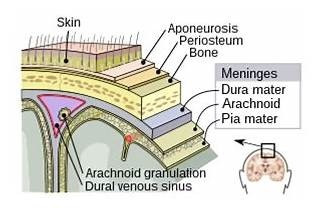 Meningitis A positive Kernig's sign is a clinical test for meningitis that involves flexing the hip and knee of the patient and then extending the knee. If the patient feels pain or resistance in the lower back or hamstring, the test is positive. A positive Kernig's sign indicates irritation of the meninges, the membranes that cover the brain and spinal cord. A positive Trousseau's sign is a sign of hypocalcemia that involves carpal spasm after inflating a blood pressure cuff. A positive Cullen's sign is a sign of retroperitoneal bleeding that involves bruising around the umbilicus. A positive Babinski's sign is a sign of upper motor neuron lesion that involves fanning of the toes when the sole of the foot is stroked.
References:
Kernig's sign - Wikipedia
Trousseau's sign - Wikipedia
Cullen's sign - Wikipedia
Babinski sign - Wikipedia
Question 14
Single choice
Which of the following suggests acute peripheral arterial insufficiency?
-
A
-
B
capillary refill time less than 2 sec
-
C
weak equal bilateral pedal pulses
-
D
sudden, severe pain at rest
Reveal answer details
Close answer details
Correct answerD
ExplanationAcute peripheral arterial insufficiency typically presents with sudden, severe pain at rest, which may be accompanied by other signs such as pallor, paresthesia, paralysis, pulselessness, and poikilothermia (the six P's). This condition indicates a critical reduction in blood flow to the affected extremity, requiring immediate medical attention.
References:
AACN Adult CCRN Certification Review Course, AACN CCRN
Exam Handbook.
Question 15
Single choice
An oncology patient presents with hematuria and bleeding from previous injection sites. Which diagnostic test result should the nurse review first?
-
A
-
B
-
C
-
D
Reveal answer details
Close answer details
Correct answerD
ExplanationFor an oncology patient presenting with hematuria and bleeding from injection sites, reviewing the coagulation panel first is crucial. This test will provide information on the patient's clotting status, helping to identify potential coagulopathies such as disseminated intravascular coagulation (DIC), which is common in cancer patients.
References:
AACN Certification and Core Review for High Acuity and Critical Care, 7th
Edition, AACN Handbook for CCRN Certification, pp. 112-115.
Question 16
Single choice
A patient underwent bariatric surgery for weight loss 3 days ago. The patient appears anxious, restless, and reports increased abdominal pain over the last 24 hours. The nurse palpates mild subcutaneous crepitus over the neck. Vital signs are:
BP 106/64 HR 128 RR 27 T 100.4°F (38°C) Which action should the nurse anticipate?
-
A
-
B
Administer a 1000 mL bolus of normal saline.
-
C
Provide broad spectrum antibiotics.
-
D
Prepare the patient for surgery.
Reveal answer details
Close answer details
Correct answerD
ExplanationThe signs and symptoms described in the patient post-bariatric surgery, including anxiety, restlessness, increased abdominal pain, and subcutaneous crepitus over the neck, suggest a potential anastomotic leak, which is a surgical emergency. Given the vital signs indicating possible sepsis or shock (elevated heart rate, increased respiratory rate, and fever), immediate surgical intervention is likely required to repair the leak and prevent further complications.
References:
CCRN Exam Handbook, AACN, page 30, section on
GI surgical emergencies.
Question 17
Single choice
Which of the following should the nurse expect in a patient with papillary muscle dysfunction?
-
A
-
B
-
C
-
D
Reveal answer details
Close answer details
Correct answerA
ExplanationPapillary muscle dysfunction, often resulting from myocardial infarction, can lead to mitral insufficiency (mitral regurgitation). The papillary muscles support the mitral valve, and if they are damaged, the valve may not close properly, causing blood to flow backward into the left atrium during systole. This condition is not associated with aortic stenosis, mitral stenosis, or aortic insufficiency.
References:
CCRN Exam Handbook, AACN Adult CCRN Certification Review Course
Question 18
Single choice
The most appropriate therapy for carboxyhemoglobinemia is
-
A
-
B
-
C
-
D
aerosolized beta-agonists.
Reveal answer details
Close answer details
Correct answerA
ExplanationThe most appropriate therapy for carboxyhemoglobinemia, which is carbon monoxide poisoning, is the administration of 100% oxygen. This treatment helps to displace carbon monoxide from hemoglobin, allowing oxygen to bind to hemoglobin and be transported to tissues more effectively. High-flow oxygen can significantly reduce the half-life of carboxyhemoglobin, facilitating faster recovery.
References:
CCRN Exam Handbook, page 30
Question 19
Single choice
For a patient with suspected pulmonary embolism, which of the following is the most definitive diagnostic test?
-
A
-
B
-
C
-
D
Reveal answer details
Close answer details
Correct answerA
Explanation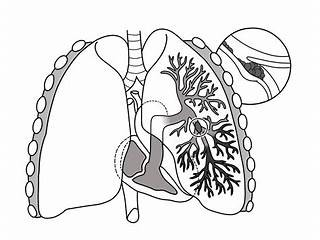 Pulmonary embolism
Pulmonary angiography is the most definitive diagnostic test for pulmonary embolism, as it provides a clear picture of the blood flow in the arteries of the lungs. It can detect even small clots and determine the location and extent of the obstruction. However, because it requires a high degree of skill to perform and has potentially serious risks, it is usually done when other tests fail to provide a definite diagnosis 1. Other tests that can be used to diagnose pulmonary embolism include CT pulmonary angiography, ventilation-perfusion scan, D-dimer test, chest X-ray, ultrasound, and MRI23. However, these tests may have limitations such as low sensitivity, low specificity, radiation exposure, contrast allergy, or availability 4.
References:
Pulmonary embolism - Diagnosis and treatment - Mayo Clinic, under "Pulmonary angiogram".
Pulmonary Embolism (PE): Symptoms, Signs & Treatment - Cleveland Clinic, under "How is a pulmonary embolism diagnosed?".
Diagnosis of Pulmonary embolism and what are its different treatment options?, under "Diagnosis for Pulmonary embolism".
Diagnosis of pulmonary embolism - UpToDate, under "Overview".
Question 20
Single choice
A nurse is caring for a patient with pulmonary fibrosis who is exhibiting shortness of breath, tachypnea, and feels a sense of impending doom. In order to relieve these symptoms, the nurse should anticipate an order for
-
A
-
B
-
C
-
D
Reveal answer details
Close answer details
Correct answerA
ExplanationMorphine is often used to relieve symptoms such as shortness of breath and anxiety in patients with pulmonary fibrosis. It works by reducing the sensation of dyspnea and the sense of impending doom by decreasing the respiratory drive and alleviating anxiety through its sedative effects. Additionally, morphine can help reduce tachypnea by slowing down the respiratory rate.
References:
CCRN Exam Handbook, AACN Adult CCRN Certification Review Course
Question 21
Single choice
A ventilator-associated event (VAE) is best prevented by
-
A
tracheal instillation of normal saline.
-
B
changing ventilator tubing daily.
-
C
minimizing tube feedings.
-
D
Reveal answer details
Close answer details
Correct answerD
ExplanationVentilator-associated events (VAEs) can be prevented by reducing the risk of aspiration and maintaining airway hygiene. Subglottic suctioning is an effective measure to remove secretions that accumulate above the endotracheal tube cuff, which can harbor bacteria and lead to infection. This intervention helps prevent the development of pneumonia and other VAEs.
References:
AACN Adult CCRN Certification Review Course, AACN CCRN Exam Handbook.
Question 22
Single choice
Postoperatively, symptoms that may indicate hemothorax or internal bleeding in a video-assisted thoracic
surgery (VATS) patient include
-
A
diminished breath sounds.
-
B
pain with deep inspiration.
-
C
-
D
Reveal answer details
Close answer details
Correct answerA
Explanation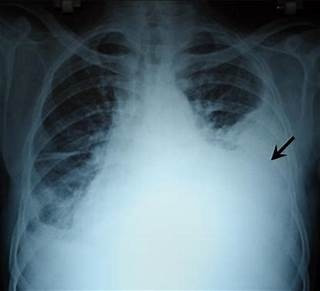 Hemothorax
Diminished breath sounds are one of the symptoms that may indicate hemothorax or internal bleeding in a video-assisted thoracic surgery (VATS) patient. VATS is a minimally invasive surgical technique that uses a small video camera (thoracoscope) and special instruments to access the chest cavity through small incisions 1. Hemothorax is a condition where blood accumulates in the pleural space, the area between the lungs and the chest wall 2. Hemothorax can occur as a complication of VATS due to injury to the lung, blood vessels, or chest wall during the procedure 3. Hemothorax can cause compression of the lung and reduce its expansion, leading to diminished breath sounds on the affected side 2. Other symptoms of hemothorax may include chest pain, shortness of breath, low blood pressure, rapid heart rate, and pale or clammy skin 2. Internal bleeding is another possible complication of VATS that can cause similar symptoms as hemothorax. Internal bleeding can occur due to damage to the major vessels, such as the aorta, pulmonary artery, or vena cava, during VATS. Internal bleeding can cause hypovolemia, which is a decrease in the volume of blood in the body, and hypoxemia, which is a low level of oxygen in the blood.
These conditions can impair the delivery of oxygen to the tissues and organs, including the lungs, and cause diminished breath sounds, as well as other signs of shock, such as confusion, weakness, dizziness, and loss of consciousness.
Pain with deep inspiration, bradycardia, and hypertension are not typical symptoms of hemothorax or internal bleeding in a VATS patient. Pain with deep inspiration may be a normal postoperative finding after VATS, as the incisions and the chest tube may cause discomfort. Bradycardia and hypertension may be caused by other factors, such as medications, cardiac disorders, or neurological conditions, but they are not directly related to hemothorax or internal bleeding .
References:
1: Video-Assisted Thoracoscopic Surgery (VATS) | Johns Hopkins Medicine
2: Hemothorax: Causes, Symptoms, Diagnosis & Treatment - Cleveland Clinic2
3: Complications of video-assisted thoracoscopic surgery: a retrospective analysis of 3000 cases -
PubMed
: Major vascular complications after video-assisted thoracoscopic surgery: a case report and literature review - PubMed
: Video-Assisted Thoracoscopic Surgery (VATS) | Michigan Medicine : Bradycardia - Symptoms and
causes - Mayo Clinic
: High blood pressure (hypertension) - Symptoms and causes - Mayo Clinic
Question 23
Single choice
A nurse is performing medication reconciliation during a patient's admission.
To determine the patient's current understanding of the medication furosemide (Lasix), which of the following is the best statement by the nurse?
-
A
"Can you explain to me what furosemide (Lasix) does for you?"
-
B
"Do you take the furosemide (Lasix) for your hypertension?"
-
C
"Which of your medications help to remove extra fluid?"
-
D
"When is the best time of day to take furosemide (Lasix)?"
Reveal answer details
Close answer details
Correct answerA
ExplanationAsking the patient to explain what furosemide (Lasix) does for them assesses their understanding and allows the nurse to gauge their knowledge and correct any misconceptions. This method is more effective than asking yes/no questions, as it provides a comprehensive insight into the patient's medication literacy. References:
AACN Handbook for CCRN Certification, pp. 102-105.
|